
New Policy Bans AI in NYC Schools to Prioritize Human Connection
Discover NYC‘s new ban on AI in schools, emphasizing human connection over technology. Learn why this matters for students today

Key Takeaways
- Zohran Mamdani's policy targets nearly 600,000 students.
- The ban applies to grades K-8 for the 2026-27 school year.
- High school students will still have supervised access to AI tools.
- Mamdani emphasizes the necessity of human interaction in learning.
- This decision echoes global concerns about AI's role in education.
The Rationale Behind the Ban
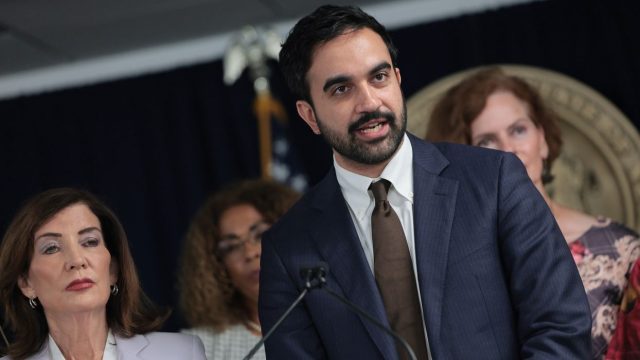
In a bold move to re-emphasize traditional teaching methods, New York City Schools Chancellor Zohran Mamdani has announced a significant policy: a one-year ban on the use of generative AI tools in public schools for students from kindergarten through eighth grade. This decision, which will take effect during the 2026-27 academic year, affects nearly 600,000 young learners and has sparked widespread discussions about the balance between technology and personal interaction in education.
Mamdani's stance is clear: he believes that children benefit most from human connections—interactions with teachers and peers that facilitate independent thinking and emotional growth. As classrooms increasingly integrate technology, concerns have emerged about the potential for AI to replace these vital connections, leading to a call for a more measured approach to its use in educational settings.
Impact on Students and the Educational Landscape
The ban signifies a critical reflection on how schools approach modern educational challenges. With the rapid rise of AI technologies, educators and policymakers are grappling with the implications of these tools on learning environments. Mamdani's policy highlights a growing sentiment that while technology offers numerous benefits, it should not come at the cost of genuine human interaction.
While high school students will still have limited access to AI through supervised programs aimed at understanding technology's role in their lives, younger students will be shielded from these influences for a pivotal year. This decision underscores the significance of nurturing critical thinking and social skills in early education.
The Role of Technology in Education
Technology in education has been a double-edged sword. On one hand, it offers innovative ways to engage students and provide access to information. On the other hand, excessive reliance on technology, particularly AI, may hinder the development of essential interpersonal skills. In an age where digital interactions often overshadow face-to-face communication, Mamdani's ban serves as a reminder of the importance of fostering authentic relationships in educational settings.
Global Context and Future Implications
This policy comes at a time when similar debates are unfolding globally. Countries around the world are examining how to effectively incorporate AI into education without compromising student learning experiences. For instance, in Southeast Asia, including Indonesia's major cities like Jakarta and Surabaya, educators are also exploring strategies to balance technology and traditional teaching methods.
By taking a proactive stance against generative AI in schools, New York City is setting a precedent that may influence other regions. The decision to prioritize human interaction may resonate within the ASEAN educational framework, where policymakers are increasingly attentive to the effects of technology on student engagement.
Looking Ahead
As we approach the implementation of this ban, it will be crucial to monitor its ramifications. Will this move encourage a shift toward more personalized education that fosters creativity and collaboration? Or will it spark debates regarding the necessity of technological literacy in a rapidly evolving workforce? Time will tell how this decision shapes the future of education in New York City and beyond.
Conclusion
Zohran Mamdani's decision to ban AI in NYC's public schools for younger students serves as a powerful reminder of the importance of human connection in education. By prioritizing direct interaction between teachers and students, this policy hopes to cultivate a generation of learners equipped not only with knowledge but also with the social skills necessary to thrive in society. As debates surrounding technology in education continue, the eyes of educators and policymakers worldwide will be focused on New York City’s next steps.