
India's Trade Negotiations: Seeking a Tariff Advantage with the U.S.
Explore India‘s ongoing trade talks with the U.S., focusing on tariff advantages for exporters. Discover why this matters now

Key Takeaways
- Indian exporters seek preferential tariffs in the U.S. market.
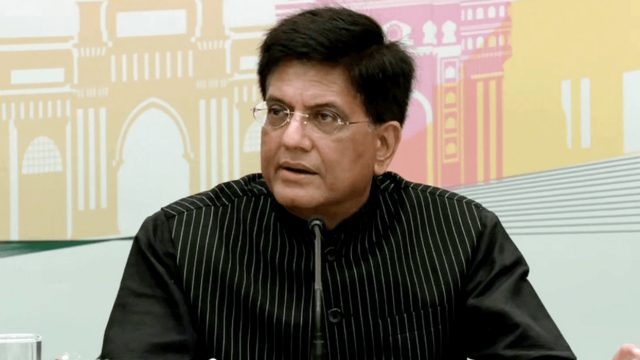
- Piyush Goyal is set to discuss trade terms with U.S. officials.
- A trade agreement is contingent on tariff advantages for India.
- Dedicated industrial parks are under consideration for U.S.-India businesses.
- Negotiations are critical for enhancing India's export potential.
As the global trade landscape shifts, India's negotiations with the United States have become increasingly significant. Commerce and Industry Minister Piyush Goyal has made it clear that finalizing a Bilateral Trade Agreement (BTA) hinges on achieving better tariff conditions for Indian exporters. This matter is particularly urgent as international competitors steadily increase their foothold in critical markets.
Understanding India’s Position in Trade Talks
At a recent national workshop on leveraging Free Trade Agreements (FTAs), Goyal emphasized the plight of Indian exporters. He insisted that India cannot progress to finalize a trade deal until it secures a competitive tariff rate that favors its exporters compared to rivals. “As soon as the U.S. is able to give us the preferential rate in comparison to our competition, we will finalize the BTA and announce the final details,” Goyal stated, highlighting the urgency of the situation.
The Urgency of Tariff Negotiations
The emphasis on tariff negotiations is a response to rising competition from various countries, including those within the ASEAN region, which includes Indonesia. Southeast Asia, particularly Indonesia’s market dynamics, can significantly influence trade outcomes. The U.S. market is one of the largest and most competitive, making tariff advantages crucial for Indian exporters to thrive.
Potential Industrial Parks: A Future Vision
In addition to tariff discussions, India is exploring the establishment of dedicated industrial parks aimed at enhancing U.S.-India business collaborations. This initiative could provide an extensive platform for American companies to invest in India, further solidifying trade relations. Such parks would not only create jobs but also serve as a catalyst for technological exchanges and innovation.
Current Developments and Future Prospects
As negotiations continue, the Indian government is closely monitoring the evolving global economic landscape, especially in the context of trade dynamics in Southeast Asia. With countries like Indonesia becoming increasingly important players in the global market, India’s trade strategy must adapt to maintain competitiveness.
Strategic Measures for Export Growth
The Indian government has initiated several measures aimed at boosting export performance, including improving infrastructure and logistics. By addressing these areas, India hopes to enhance its overall trade capabilities, making it an attractive partner for foreign investments. However, without favorable tariff rates from the U.S., these efforts may fall short.
Impact on Local Economies
Regions such as Jakarta and Surabaya are vital to the Indonesian market, which also influences trade negotiations. Understanding the local economic conditions and consumer patterns will be essential as India seeks to redefine its export strategies. The outcome of these negotiations could not only affect exporters in India but also have broader implications for regional economies.
Conclusion
India’s quest for a favorable tariff position in its trade negotiations with the U.S. underscores the complexities of international trade today. With a focus on enhancing export competitiveness and potential collaborations through dedicated industrial parks, these discussions hold significant importance. As the global economy continues to evolve, how India navigates its trade relations will be pivotal in shaping future growth.